Things had turned quiet on the Rappahannock since the shooting war had moved south to Richmond, which, as far as I knew, was still in the iron grip of the Confederates and General Robert E. Lee.


Below you'll find a list of all posts that have been categorized as “Lifestyle for Archives”
Things had turned quiet on the Rappahannock since the shooting war had moved south to Richmond, which, as far as I knew, was still in the iron grip of the Confederates and General Robert E. Lee.

Once upon a time venison was a primary source of protein in the American colonies.

This summer, the New Britain Museum of American Art is thrilled to present recent paintings by Connecticut-based artist Kay Knight Clarke.

Hey, Ray, come sit for a minute. I got a letter from Ashley.”

The peach arrived in New England with the colonists who initially struggled with production due to the cold climate.

Dear Son, Your father and I were glad to receive word that you and Raymond have been given charge of a riverboat ferry.

When we think of spring and “What’s for Dinner,” we often think of lamb.

On the marshy banks of the Lieutenant River in Old Lyme, Connecticut, a quiet revolution in environmental education and research has been unfolding for over a decade.

Chestnuts roasting on an open fire conjures up all kinds of iconic images—warming fires, wintry scenes, and home-cooked holiday meals.

On a steep hill above the Connecticut River, Greystone shines in the morning sun. The texture of the natural stone contrasts with the clean modernist lines of wood and glass.

When Andre Strongbearheart Gaines-Roberson, Jr., came to the phone, he couldn’t help sounding a bit tired, having worked around the clock over the previous ten days, catching an hour or two of sleep in his tent at various times while supervising the “burn” of a mishoon, or canoe, hollowed out from a tree, in the Nipmuc tradition.

Me and Ray are expert ferrymen, it’s true, but we’re experts with small ferries that shuttle people, animals, and the mail across the Connecticut River between Saybrook and Lyme.

The Union camp and our ferry assignment—a steamboat on the Rappahannock River—was just a few hundred yards from where Ray and I jumped off the train.

Fall is the perfect time to forage for mushrooms in New England as many species thrive in the cooler, wetter weather. Forage if you must, but beware as many mushrooms are inedible or poisonous!

Please meet one of the Connecticut River valley’s true (and mostly unsung) heroes: the artist John H. Sargent of Quaker Hill, Connecticut.

The slump, the dump, the Betty, the crisp, the crumble, or the cobbler! What’s the difference? These are all versions of a cooked fruit dessert with a crumble, biscuit, or pie crust on top and/or bottom, and baked in the oven or cooked on the stovetop.

Saybrook station. The conductor pushed the car door aside and, leaning out of the train, looked up and down the length of the platform for passengers, then called out, “Board!”
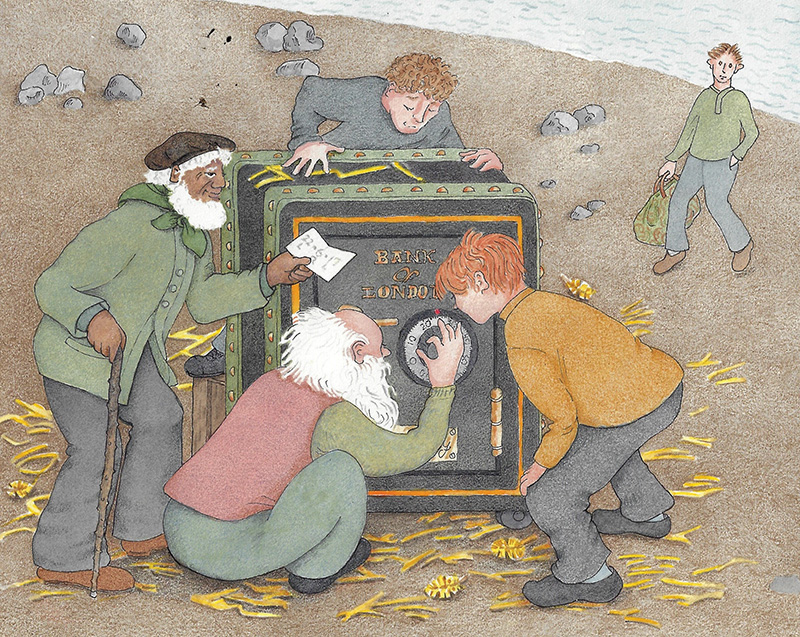
The Emancipation Proclamation became official January of this year, 1863.
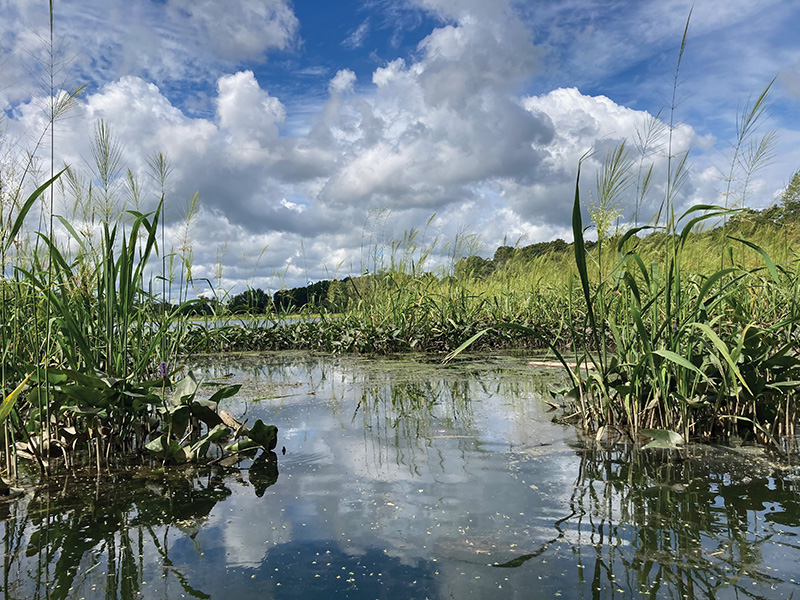
Ducks and wild rice are as comfortable together on your dinner plate as they are in the wild! The wild rice, a semi-aquatic grass, is mostly found along riverbanks where the water is shallow and the currents slow.
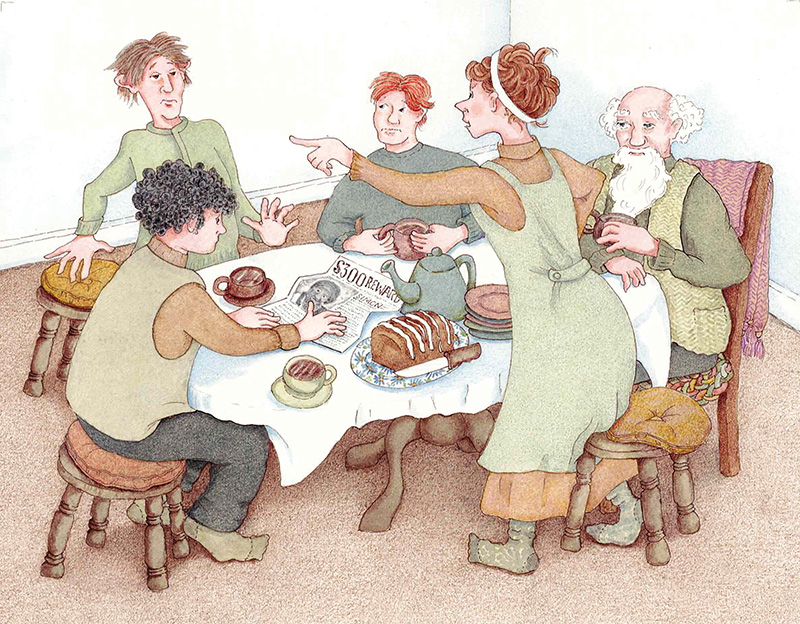
Two months ago, I’d say early fall, a handyman named Wayne found a room in the local boarding house, and since then has pretty much settled into life here in Saybrook taking odd jobs for folks all over town.